
February 3, 2026
Dear Friends,
Today is the third of our daily reflections for Interfaith Harmony Week. The Interfaith Peace Project is pleased to offer you these reflections for each day of Interfaith Harmony Week, February 1-7, 2026. Our reflections for Interfaith Harmony Week are inspired by the work and life of our friend, Randy Thomas, who passed away on December 27, 2025. May he experience the Light and Peace he so generously shared with us. If you would like to view the previous reflections, you can find them on our blog at: interfaithpeaceproject.org.
If you have anything that you would like to share, please contact:
Thomas P. Bonacci, C.P.
[email protected]
925-787-9279
SORROW AND HOPE
INTERFAITH HARMONY WEEK
February 1-7, 2026
Day 3
by Thomas P. Bonacci, C.P.
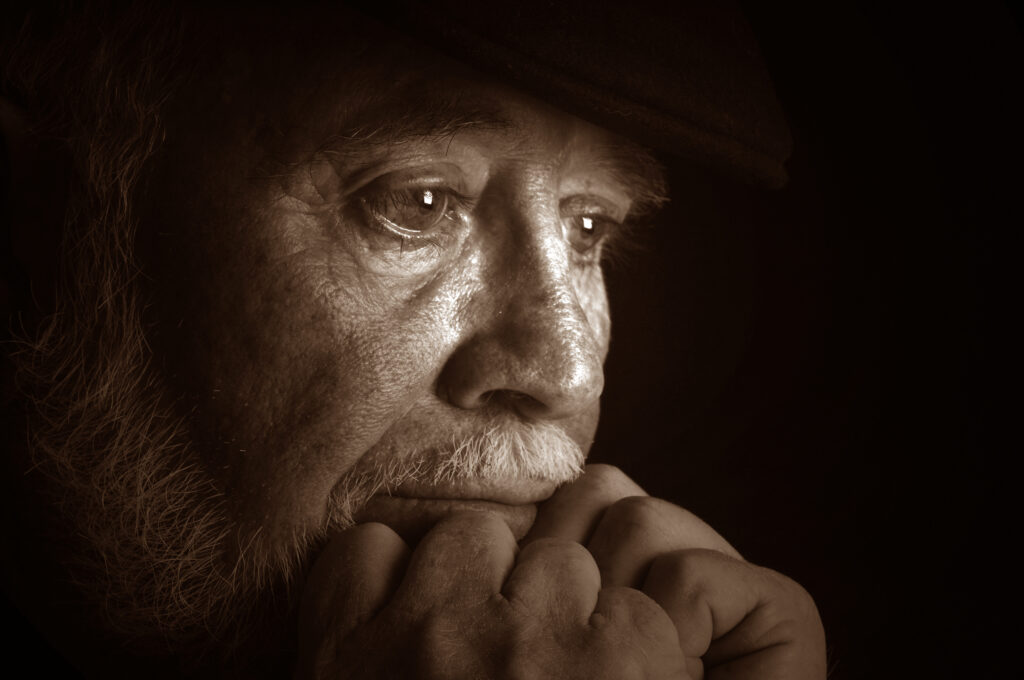
Adobe Stock 5486019 By Laurin Rinder
The Sages of the Great Traditions of Humankind teach us by word and example. Most of the Faith Traditions were born out of trauma, disorder, and uncertainty. The Sages had an interior conviction that struck many as insane or impossible. Yet, in the midst of conflict and division, new ways of living and wonderful ways of loving were born. Matthew Fox pointed out the reality of “Original Blessing” by which he understood humanity is blessed and inspired from its inception. The Universe itself is the source of inspiration and creativity. From such a perspective, the tragic and the sorrowful become a canvas on which we paint large the brushstrokes of compassion and love.
REFLECTION
It is important to find words of inspiration when times are difficult, and so many use words violently. Think of the many prayers composed in times of trouble. The calm and wild words of a poem, a prayer, a song can transform the tragic moment into a time of hope. Consider these verses from Howard Thurman’s Meditations of the Heart, 1953:
I share with you the agony of your grief,
The anguish of your heart finds echo in my own.
I know I cannot enter all you feel
Nor bear with you the burden of your pain;
I can but offer what my love does give:
The strength of caring,
The warmth of one who seeks to understand …
This I do in quiet ways,
That on your lonely path
You may not walk alone.
DEVELOPMENT
Language and the tone of our voice demand respectful engagement, or our discourse dissolves into “hate” speech. Those engaged in interfaith dialogue need to be mindful of the power of our language to foster peace and understanding. All of us can remember when someone’s words caused us great distress and much sorrow. Language can be abusive, harsh, and destructive. We can literally create or destroy with the language we use.
Those who speak publicly must be acutely aware that the significance of their words is magnified by the power of a highly sophisticated communications industry to deliver their message globally and immediately. Public speakers of all types need to be aware of the significance of their words and the power their words have to contribute or destroy the well-being of others.
Religious leaders and those who exert religious influence must point out the destructive consequences caused when language and tone of voice enable contempt and dehumanization. Issues, no matter how important, are secondary to the dignity of the persons involved. The interfaith community must adhere to a high moral standard when it comes to the way we speak to and about one another. Controversial issues demand an honest pursuit of all the perspectives involved. Mutual understanding is not a nicety but a necessity. We must learn to speak as we would be spoken to and about.
RESPONSE
Selected verses from Venerable Chodron’s Prayer to Kuan Yin:
In tragedy may we turn to wisdom and compassion and
be comforted by its protective embrace, seeing that all
beings seek only happiness and never misery, may we
abandon despair, anger, and blame. …
May all those who suffer from loss and grief, from
horror and outrage, become fountains of wisdom and
compassion flowing out to the world and healing
being’s pain. …


Off