February 2, 2026
Dear Friends,
Today is the second of our daily reflections for Interfaith Harmony Week. The Interfaith Peace Project is pleased to offer you these reflections for each day of Interfaith Harmony Week, February 1-7, 2026. Our reflections for Interfaith Harmony Week are inspired by the work and life of our friend, Randy Thomas, who passed away on December 27, 2025. May he experience the Light and Peace he so generously shared with us. If you would like to view the previous reflections, you can find them on our blog at: interfaithpeaceproject.org.
If you have anything that you would like to share, please contact:
Thomas P. Bonacci, C.P.
peace@thomaspbonacci.net
925-787-9279
HOLY LAND
NO ONE IS ILLEGAL ON GOD’S LAND
INTERFAITH HARMONY WEEK
February 1-7, 2026
Day 2
by Thomas P. Bonacci, C.P.
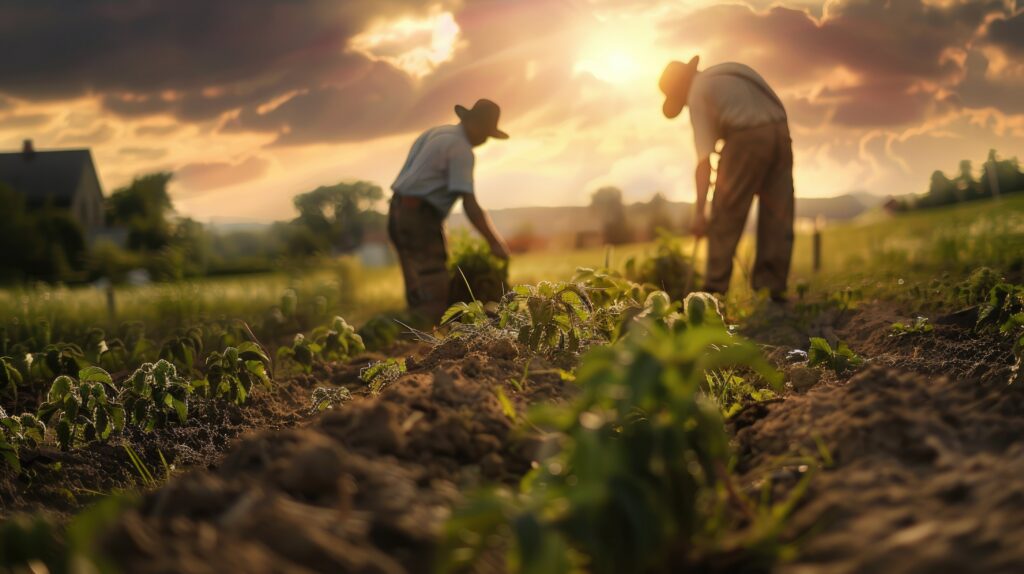
Adobe Stock #788829522
By The 2R Artificiality
The great faith traditions of humankind have a long history of testifying to the dignity and nobility of every human person. This is not the rhetoric of idealism but the moral imperative that makes peace possible. Unless we recognize the full human dignity of each and every person, many will continue to be marginalized by the powerful and the greedy. No one has a right to the land under their feet. Our life on Earth is a blessing and a privilege. We must live responsibly as members of the one human family with all its splendor and diversity.
REFLECTION
In struggling for human dignity the oppressed people of the world must not allow themselves to become bitter or indulge in hate campaigns. To retaliate with hate and bitterness would do nothing but intensify the hate in the world. Along the way of life, someone must have sense enough and morality enough to cut off the chain of hate. This can be done only by projecting the ethics of love to the center of our lives.
Martin Luther King, Jr.
DEVELOPMENT
A very wonderful, powerful, and transformative practice is emerging in more and more sectors of our contemporary society. Many gatherings and meetings now begin with a statement recognizing whose land is under our feet. The practice of “Land Recognition” acknowledges the people who were displaced, demeaned, or killed so the land could be settled by people who thought God gave them the right to take over what did not belong to them.
The motivation for such unjust behavior was religious. Many settlers believed God gave them the land. Therefore, they had a God-given right to remove Indigenous people. Oddly enough, Indigenous people did not think land could be owned. They instinctively experienced the land as the gift of the Great Spirit. Psalm 24 proclaims, “The Earth belongs to the Lord.” Ownership of the land as real estate replaced the idea of land as a shared resource. Indigenous peoples think the land should be shared and cared for by all for the benefit of everyone.
RESPONSE
Today and every day, we will honor the land upon which we tread. We will realize no one really owns this land. We live here as invited guests. We commit to living in our location as people of hospitality, motivated by gratitude and generosity. We lovingly commit to advocating for the rights of all people to live in peace on the land of their choice, respecting the rights and dignity of others.


Off